8,000+

Personal Assistance Services, or PAS, is a Medicaid-funded home care benefit available under Pennsylvania’s Home and Community-Based Services programs. PAS helps Pennsylvanians with disabilities, chronic conditions, or age-related needs remain safely at home instead of moving into a nursing facility.
The Bottom Line: PAS lets eligible Pennsylvania residents receive home care while choosing a trusted caregiver, including certain family members and friends.
Under PAS, you get to direct your own care, choosing who provides it, when they provide it, and how your daily routine works. PAS is delivered primarily through two pathways in Pennsylvania: the Community HealthChoices waiver for Medicaid-eligible adults, and the Act 150 Attendant Care Program for individuals who meet the level-of-care requirement but do not financially qualify for Medicaid.
Both programs are overseen by the Pennsylvania Department of Human Services and the Office of Long-Term Living. FreedomCare makes the process simpler by helping you understand eligibility, coordinate with your plan, onboard your caregiver, and start care.

Community HealthChoices, or CHC, is Pennsylvania’s mandatory Medicaid managed care program for adults 21 and older who are dually eligible for Medicare and Medicaid or who need long-term services and supports because of a physical disability. CHC is how most Pennsylvanians access Personal Assistance Services through Medicaid.
The Bottom Line: CHC generally requires Pennsylvania Medicaid enrollment, age 21+, and a Functional Eligibility Determination showing nursing facility level of care.
To receive PAS through CHC, you generally need to be enrolled in Pennsylvania Medical Assistance, be 21 or older, and complete a Functional Eligibility Determination confirming that you need the level of care typically provided in a nursing facility. This assessment looks at how much help you need with daily activities like bathing, eating, dressing, mobility, and household tasks.
Once enrolled in CHC, you are assigned to a managed care organization. Pennsylvania CHC plans include AmeriHealth Caritas, Keystone First, PA Health & Wellness, and UPMC Community HealthChoices. Your MCO coordinates your benefits, and FreedomCare works directly with your MCO to help you access PAS and get your caregiver set up.
Not everyone who needs home care qualifies financially for Medicaid. Act 150, also known as the Attendant Care Program, is a state-funded option for Pennsylvania residents ages 18 to 59 with physical disabilities who meet the nursing facility level of care but are determined financially ineligible for Medical Assistance.
The Bottom Line: Act 150 may help adults ages 18 to 59 with physical disabilities receive personal assistance at home when they meet care requirements but do not financially qualify for Medicaid.
Under Act 150, you can still receive personal assistance services at home and choose your own caregiver. Participants may be assessed a small co-payment based on income. The program covers services like personal care, help with household tasks, and emergency response systems, many of the same supports available under CHC.
If you are unsure whether CHC or Act 150 fits your situation, FreedomCare can review your needs and guide you toward the right program.
PAS eligibility is based on financial, functional, and clinical requirements. The exact path depends on whether you are applying through Community HealthChoices or Act 150.
The Bottom Line: PAS qualification usually depends on Medicaid or Act 150 financial rules, a Functional Eligibility Determination, and medical documentation from a physician.
For CHC, you must be enrolled in Pennsylvania Medicaid. For long-term care services, the individual income limit is approximately $2,901 per month as of 2025, and your local County Assistance Office determines financial eligibility.
You complete a Functional Eligibility Determination that assesses how much help you need with bathing, dressing, eating, mobility, household tasks, and other daily needs.
Your doctor completes a Physician’s Certification Form verifying your medical conditions and care needs so the state can confirm home-based PAS is appropriate.
FreedomCare helps you understand these steps, connect with the Independent Enrollment Broker, and move from eligibility questions to your caregiver’s first shift.
One of the most important parts of PAS is that you get to choose your caregiver. Eligible caregivers can include adult children, siblings, other relatives, close friends, neighbors, or another trusted person.
The Bottom Line: PAS can pay many trusted caregivers, including adult children, siblings, relatives, friends, and neighbors, but spouses are not eligible.
No prior caregiving experience is required. FreedomCare provides training and support so your caregiver feels confident and prepared from day one.
No. Spouses are not eligible to be paid caregivers under Pennsylvania’s Medicaid PAS programs. This applies to both the CHC waiver and Act 150. Under state rules, legally responsible individuals, including spouses, cannot receive compensation for providing PAS.
The Bottom Line: A spouse can still support care planning and daily life, but for paid PAS, the caregiver must be another eligible trusted person.
Your spouse can still help with decision-making, attend care planning meetings, serve as your representative or power of attorney, and support your daily well-being. But for paid PAS, you will need to choose another trusted person, such as an adult child, sibling, friend, or other family member.
Your personal assistant helps with the daily tasks that keep you safe, comfortable, and independent at home. The exact tasks are outlined in your individualized care plan, which is developed based on assessment results and personal preferences.
The Bottom Line: PAS caregivers help with ADLs, IADLs, community participation, and other support approved in the individualized care plan.
FreedomCare works with you and your CHC service coordinator to make sure your care plan reflects what you actually need, not a one-size-fits-all checklist.
Caregiver compensation matters. Family caregivers working with FreedomCare in Pennsylvania can earn up to $14.50 per hour, depending on the level of care provided, the patient’s location, and the specific waiver program.
The Bottom Line: Pennsylvania caregiver pay depends on care level, location, waiver program, approved hours, and plan requirements.
Your hourly rate is determined by factors like the complexity of care needed and the zip code where services are delivered. FreedomCare also offers Instant Pay, so after you complete a shift, your earnings are available the same day.
For current caregiver pay rates in your area, contact FreedomCare directly. We will walk you through what to expect based on your specific situation.
Navigating Medicaid programs in Pennsylvania can feel overwhelming. Between the acronyms, paperwork, and different agencies involved, it is easy to get lost. FreedomCare takes the confusion out of the process so you can focus on taking care of your family.
The Bottom Line: FreedomCare helps with eligibility guidance, Medicaid support, MCO coordination, caregiver onboarding, payroll, compliance, and ongoing support.
Eligibility guidance: We help you understand whether you qualify and which program may be right for you.
Medicaid enrollment support: If you are not yet on Medicaid, we help you understand how to start the application process.
MCO plan coordination: We work directly with your managed care organization to get your PAS benefits in place.
Caregiver onboarding: Once you choose your caregiver, we handle background checks, required training, and paperwork.
Payroll and compliance: FreedomCare manages payroll, taxes, and regulatory compliance so you do not have to.
Ongoing support: Our team stays with you after services begin, answering questions and helping everything run smoothly.
Getting started is simpler than you might think. FreedomCare walks with you from the first eligibility question through your caregiver’s first shift.
The Bottom Line: The PA PAS enrollment path usually includes Medicaid eligibility, PA IEB referral, FED assessment, CHC plan selection, FreedomCare provider selection, caregiver onboarding, and approved care.
Here’s the general process when you apply through FreedomCare.
If you are already enrolled in Pennsylvania Medicaid, you are one step ahead. If not, you can apply through your local County Assistance Office or online through COMPASS.
Reach out by phone or through our website. We review your situation, answer questions, and explain your options.
FreedomCare helps you connect with Maximus, the state’s Independent Enrollment Broker, to submit a Community Referral Form and move the enrollment process forward.
A state representative assesses your daily care needs to determine whether you meet nursing facility level of care.
You select your CHC plan, such as AmeriHealth Caritas, Keystone First, PA Health & Wellness, or UPMC Community HealthChoices.
Let your plan know that you want to work with FreedomCare for your personal assistance services.
Pick the family member, friend, or trusted person you want as your caregiver. Spouses are not eligible under Pennsylvania rules.
Once your caregiver is onboarded and your care plan is approved, services begin and your caregiver starts getting paid.
Pennsylvania offers several home and community-based programs and other support options that help people receive care at home. Understanding which one fits your situation can be confusing.
The Bottom Line: CHC is Medicaid-funded, Act 150 is state-funded for certain adults with physical disabilities, and PA Caregiver Support is usually reimbursement-based rather than direct caregiver wages.
| Feature | CHC Waiver | Act 150 | PA Caregiver Support |
|---|---|---|---|
| Funding source | Medicaid | State funds | State / federal support |
| Age requirement | 21+ | 18–59 | Care recipient usually 60+ |
| Medicaid required? | Yes | No, for those determined financially ineligible for Medical Assistance | No |
| Choose your caregiver? | Yes, but not a spouse | Yes, but not a spouse | Limited; reimbursement-based |
| Caregiver gets paid? | Yes, hourly wages | Yes, hourly wages | Expense reimbursement only |
| Services covered | ADLs, IADLs, and community supports | Personal care and emergency response | Respite and supplemental services |
| FreedomCare can help? | Yes | Yes | Contact your local Area Agency on Aging |
If your loved one is a veteran, additional caregiver support may be available through VA caregiver programs. FreedomCare can help you understand how these benefits may work alongside Pennsylvania’s Medicaid programs.
PAS is available to individuals with a wide range of conditions that affect their ability to live independently. The key factor is not the diagnosis itself, but how much the condition affects the person’s ability to perform daily activities safely and independently.
The Bottom Line: PAS may support people with dementia, Parkinson’s, MS, stroke recovery, spinal cord injury, traumatic brain injury, chronic disease, mobility limitations, and age-related functional decline.
If you are not sure whether your situation qualifies, FreedomCare can help you find out.

The Bottom Line: These FAQs answer the main Pennsylvania PAS questions about FreedomCare, Medicaid, family caregiver pay, spouse rules, POA, hours, MCO plans, and service area.
FreedomCare is a licensed PAS provider that helps eligible Pennsylvanians access Medicaid-funded home care. We guide you through enrollment, help you choose a caregiver from your personal network, handle onboarding and payroll, and provide ongoing support.
FreedomCare works within Pennsylvania’s Medicaid system as a licensed provider. Care through FreedomCare is funded by Medicaid through programs like Community HealthChoices, so you do not pay FreedomCare out of pocket for PAS when covered by Medicaid benefits.
Yes. Through Pennsylvania’s PAS program, eligible family members, except spouses, can become paid caregivers. FreedomCare manages payroll and offers Instant Pay so caregivers can receive compensation the same day they complete a shift.
Yes. PAS is consumer-directed, which means you decide who provides your care. You can choose an adult child, sibling, relative, friend, neighbor, or another trusted person. The main restriction is that spouses cannot be paid caregivers.
No. Under current Pennsylvania Medicaid rules, spouses are not eligible to be paid caregivers through PAS or the CHC waiver. Other family members and trusted friends may qualify.
In most cases, holding power of attorney does not automatically disqualify someone from being a paid caregiver. Legal guardians may face restrictions depending on the specific program, so FreedomCare can help review your situation.
The number of weekly care hours depends on your individual assessment and care plan. A nurse evaluates your needs, and hours are determined by how much support you require for daily activities.
The timeline varies. If you already have Medicaid, enrollment can move more quickly. If you need to apply for Medicaid first, the process can take several weeks to a few months. Once approved and connected with FreedomCare, we work to get your caregiver onboarded and services started as fast as possible.
Yes. FreedomCare coordinates with Pennsylvania CHC managed care organizations, including AmeriHealth Caritas, Keystone First, PA Health & Wellness, and UPMC Community HealthChoices.
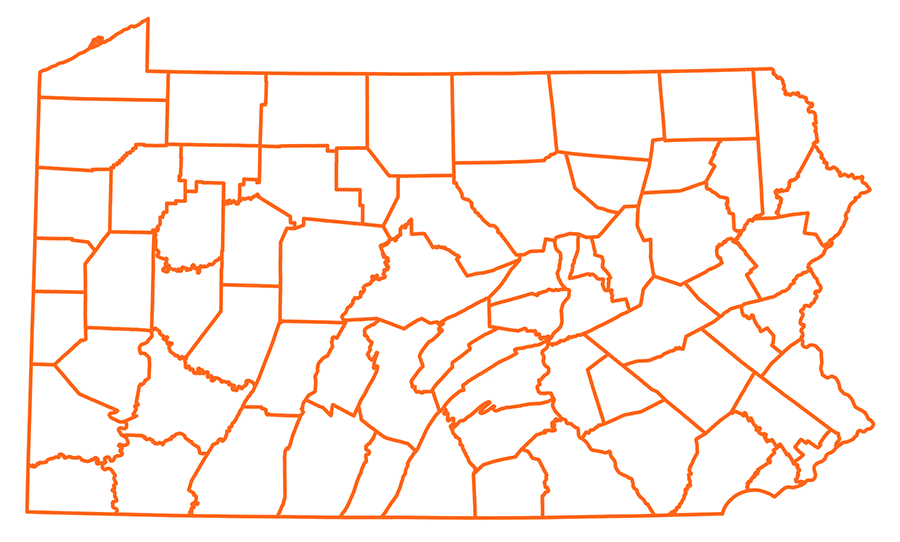
FreedomCare serves the entire state of Pennsylvania, including the Philadelphia metro area, Pittsburgh metro area, and all other regions across the state.
The Bottom Line: These resources help Pennsylvania families understand PAS, CHC, Act 150, caregiver support, DHS, long-term care services, and HCBS programs.
Pennsylvania’s Caregiver Support Program provides financial assistance, training, and resources to help family caregivers support older adults and individuals with disabilities at home.
pa.gov/services/aging/apply-for-the-caregiver-support-programThis FreedomCare guide explains how Pennsylvania residents may be able to get paid as a family caregiver through Medicaid programs and self-directed care options.
freedomcare.com/can-a-family-member-get-paid-to-be-a-caregiver-in-pennsylvaniaFreedomCare explains Pennsylvania’s Act 150 Attendant Care program, which helps eligible adults with physical disabilities receive assistance with daily activities while living at home.
freedomcare.com/act-150-attendant-care-waiverThis FreedomCare resource explains Pennsylvania’s Community HealthChoices program, a Medicaid managed care program that provides long-term services and supports for older adults and individuals with disabilities.
freedomcare.com/community-healthchoicesThe Pennsylvania Department of Human Services administers Medicaid and other public assistance programs that support healthcare, long-term care, and social services across the state.
pa.gov/agencies/dhsPennsylvania’s long-term care services provide support for seniors and adults with physical disabilities who need help with daily activities in their homes or communities.
pa.gov/agencies/dhs/resources/aging-physical-disabilities/long-term-care-servicesPennsylvania’s Home and Community-Based Services programs allow eligible residents to receive long-term care and personal assistance at home instead of in institutional settings.
pa.gov/agencies/dhs/resources/home-community-based-services-hcbsThe Bottom Line: Pennsylvania Medicaid rules, CHC requirements, Act 150 requirements, caregiver eligibility, compensation, plan rules, and service availability can change.
The information provided on this page is for general educational purposes only and is not intended as legal, financial, medical, or professional advice. Eligibility for Pennsylvania Medicaid programs, Community HealthChoices, Personal Assistance Services, Act 150, and related home care benefits is determined by the appropriate state agencies, managed care organizations, and program administrators. FreedomCare does not determine Medicaid eligibility or guarantee approval, enrollment, hours, caregiver pay, or service authorization.
Program rules, income limits, caregiver restrictions, assessment standards, managed care requirements, and available services may change. Spouses are generally not eligible to be paid caregivers under Pennsylvania PAS programs, and legal guardians may face additional restrictions depending on the program. Always verify current requirements with Pennsylvania DHS, your County Assistance Office, your CHC managed care organization, or the appropriate program administrator.


You’ve been caring for your loved one because it’s the right thing to do. FreedomCare can help you navigate Pennsylvania’s PAS program, understand your options, and take the first step toward care from someone you trust while they get paid for it.