


8,000+

FreedomCare helps Forsyth* County families get paid through Georgia Medicaid for the care they're already giving a parent, sibling, or other loved one at home.
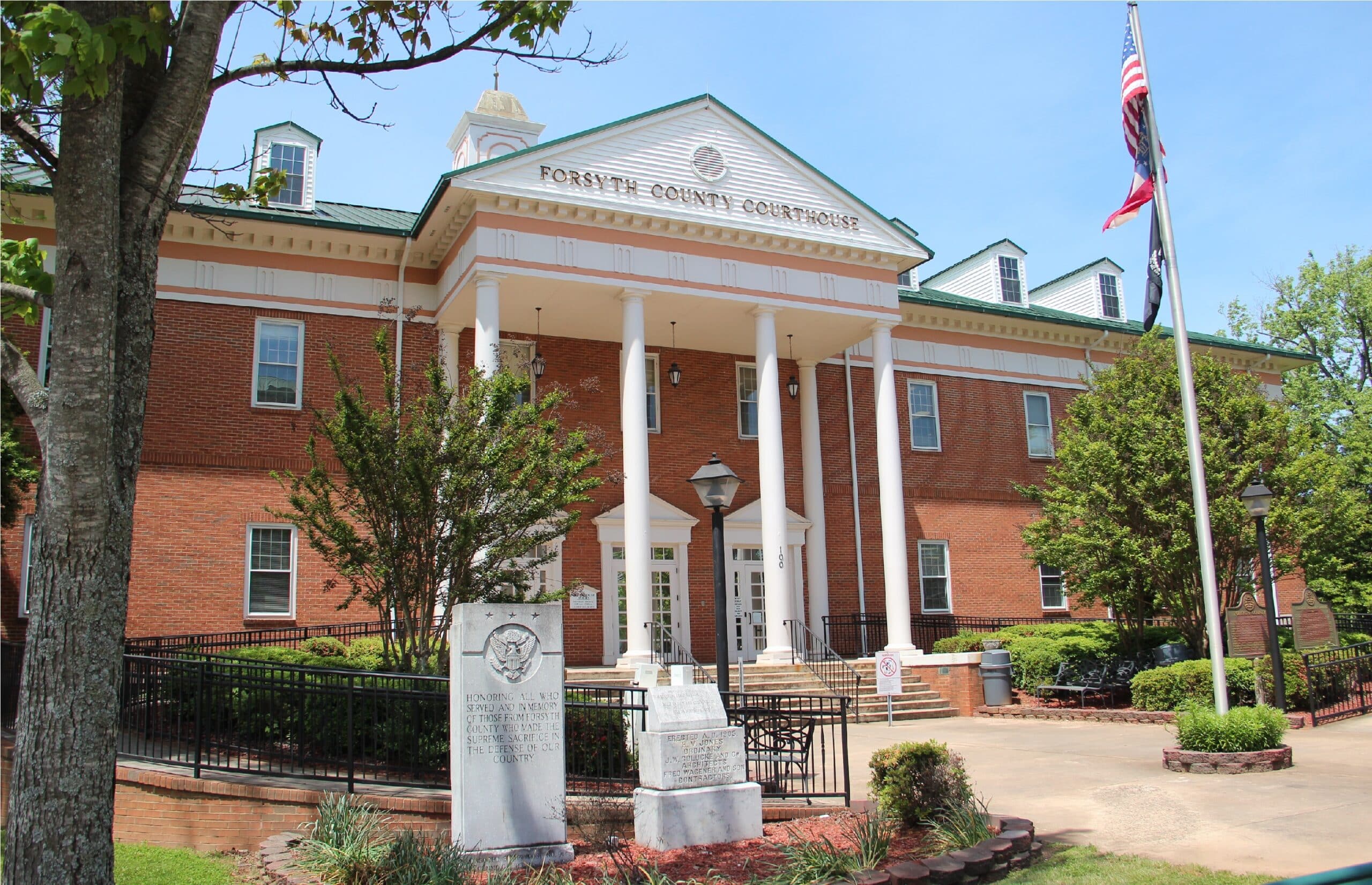
If you are caring for a parent, an adult child, or another family member in Forsyth County, you have probably already discovered that Georgia Medicaid does cover care at home. What is harder to find out is how to actually get it, and whether the care you are already providing can be paid. FreedomCare works with families across Georgia to answer exactly that.
Georgia covers home care through two Medicaid waiver programs, the Community Care Services Program (CCSP) and SOURCE. Inside both of them sits a service called Structured Family Caregiving, which pays a daily stipend to a family member who lives with the person they care for. That is the part most families in Cumming and across Forsyth County have never heard of, and it is the part FreedomCare handles.
Not sure where your family fits? We can walk you through Georgia's home care programs and what they mean for your situation. Call (866) 506-9284 or check your eligibility online.
Georgia pays for home care through what are called 1915(c) Home and Community-Based Services waivers. The plain-English version: Medicaid has historically paid for nursing home care, and a waiver lets the state spend that same money on care at home instead. Both of Georgia's main programs for older adults and adults with physical disabilities sit under the state's Elderly and Disabled Waiver Program, and both are administered by the Georgia Department of Community Health, which publishes the full list of Medicaid waivers in the state.
People in Forsyth County apply to both through the same door, which is covered further down this page.
CCSP is the more widely used of the two. It serves Georgians who are 65 or older, or who are under 65 with a physical disability, and who need a nursing home level of care but want to stay at home. Covered services can include personal support, adult day health, home-delivered meals, an emergency response system, out-of-home respite, skilled nursing, and Structured Family Caregiving. The state's own page for this program is Apply for the Elderly and Disabled Waiver Program, so do not be thrown if the name looks different. Georgia now calls it the Elderly and Disabled Waiver Program, and CCSP is the former name most families still use.
CCSP has a higher income ceiling than SOURCE, which is why many families end up here. Some participants pay a monthly cost share based on income.
SOURCE covers the same set of home care services, with one significant addition: it ties the person's primary medical care to their home care in a single coordinated team. Participants enroll with a SOURCE site, where a primary care physician acts as both doctor and care coordinator. The goal is to catch problems before they turn into an emergency room visit.
The tradeoff is a tighter financial door. SOURCE eligibility is tied to SSI Medicaid, so the income limit is considerably lower than CCSP's. Families with a higher-need relative and very limited income often land here. Georgia's official page, Apply for SOURCE, lists the current requirements.
Structured Family Caregiving is not a third program. It is a service available inside both CCSP and SOURCE, and it is the pathway that pays a family caregiver.
Under SFC, a family member who lives in the same home as the person receiving care can receive a tax-free daily stipend, along with training and support from a health coach. The person receiving care has to be enrolled in CCSP or SOURCE first. SFC is delivered through state-approved provider agencies, and FreedomCare is a licensed SFC provider in Georgia.
If the model sounds familiar, that is because other states run something similar under a different name. What Georgia calls Structured Family Caregiving, Massachusetts calls Adult Foster Care and Connecticut calls Adult Family Living. Our guide to adult foster care explains the shared idea behind all of them: care at home, from someone the person already knows.
CCSP and SOURCE at a glance
| CCSP | SOURCE | |
|---|---|---|
| Who it serves | Adults 65+, or under 65 with a physical disability | Same, with an emphasis on chronic conditions needing close medical follow-up |
| Financial door | Higher income ceiling; cost share may apply | Tied to SSI Medicaid; considerably lower income limit |
| Medical care | You keep your own doctor | Primary care is coordinated through a SOURCE site |
| Home care services | Personal support, respite, meals, skilled nursing, and more | The same services, plus the coordinated primary care layer |
| Structured Family Caregiving | Available | Available |
For the full statewide picture, including the counties FreedomCare serves and a quick eligibility check, see our Georgia Medicaid home care overview.
Georgia looks at three separate things, and a family has to clear all of them. This is the part that surprises people, because being low-income is not by itself enough, and being sick is not by itself enough either.
Meeting all three does not guarantee enrollment. CCSP and SOURCE are not entitlement programs, which means the number of slots is capped and waiting lists exist. Waits vary by county and by program. That is a real constraint, and any agency that tells you otherwise is not being straight with you.
If the person you care for does not fit CCSP or SOURCE, Georgia runs other waivers that might. The Independent Care Waiver Program (ICWP) serves adults aged 21 to 64 with severe physical disabilities or traumatic brain injury. The New Options Waiver (NOW) and Comprehensive Supports Waiver (COMP) serve people with intellectual and developmental disabilities, and are run through the Department of Behavioral Health and Developmental Disabilities rather than through CCSP or SOURCE. FreedomCare works within CCSP and SOURCE, so those other waivers are not programs we administer, but you should know they exist. All of them are listed on the state's waiver programs page.
Eligibility is decided by the state, not by FreedomCare. We can help you understand the requirements and get through the process, but the assessment and the determination belong to Georgia Medicaid and its assessing agencies. Anyone may or may not qualify depending on their own financial, medical, and functional circumstances.
Here is the question almost every family asks us, phrased almost exactly the same way: I am already doing this every day, can I get paid for it?
In Georgia, the answer runs through Structured Family Caregiving. The rules are specific, and it is better to know them now than to find out three months into an application.
To be a paid Structured Family Caregiver in Georgia, you generally must:
Who cannot be paid as a Structured Family Caregiver:
One more requirement families are often caught off guard by: Structured Family Caregiving expects caregiving to be your primary focus, and program rules generally restrict outside employment while you are enrolled. If you are working full time and caring in the evenings, SFC may not be the right fit, and a different service under CCSP or SOURCE may serve you better. Ask us before you make any decisions about your job.
If a spouse is the one providing care, that does not mean the family has no options. The person receiving care may still qualify for personal support services, respite, meals, and other help under CCSP or SOURCE. It just means the payment cannot flow to the spouse through SFC.
Our guide to getting paid as a family caregiver in Georgia walks through the programs, the requirements, and the application process in more detail.
Forsyth is the wealthiest county in Georgia by median household income, and one of the most internationally diverse, with about a quarter of residents born outside the United States. Both of those facts shape how Medicaid home care works here, and it is worth being honest about them up front.
We will say the hard part first. Forsyth has the highest median household income and the lowest poverty rate of any county in Georgia. Medicaid home care is means-tested, and there is no way around that. Many Forsyth families who are genuinely worn down by caregiving will find that they earn too much to qualify.
But do not rule yourself out on the household number alone. Medicaid looks at the income and assets of the person receiving care, not the working adults around them. A widowed parent living on Social Security may qualify even in a high-income county, and the home they live in is generally not counted as an asset. If the person you care for has limited income of their own, it is still worth a real conversation.
The other thing worth naming: about a quarter of Forsyth residents were born outside the United States, and multigenerational households are common here. Medicaid eligibility can depend on the immigration status of the person who needs care, and the rules are genuinely complicated. We are not going to guess at your family's situation on a web page. If this applies to you, call us or the Area Agency on Aging and ask directly, and bring the specifics.
The other thing the numbers do not show: most of the care in Forsyth County right now is unpaid, and it is being done by an adult child who rearranged their life around it. That is who these programs exist for.

Every application in Georgia starts at an Area Agency on Aging, and which one depends on where you live. Forsyth County is served by Legacy Link, the Georgia Mountains Area Agency on Aging, which is the designated Area Agency on Aging for a thirteen-county region across north Georgia. This is not the metro Atlanta agency, so if someone has handed you an Atlanta number, it is the wrong one for this county. Legacy Link is the front door for CCSP and SOURCE across the north Georgia mountains region.
Where to start
The intake point for both CCSP and SOURCE. Call 1-800-845-5465. They will do a phone screening and, if it looks like a fit, schedule an in-home assessment.
legacylink.orgThe statewide network Legacy Link belongs to. If a family member lives in another part of Georgia, find their office here.
georgiaadrc.comWhere the Medicaid application itself is filed, through the Division of Family and Children Services.
gateway.ga.govCounty-level programs for older adults, including senior centers and local support.
forsythco.com/Departments-Offices/Senior-ServicesStatewide overview of CCSP, SOURCE, and Structured Family Caregiving with FreedomCare.
freedomcare.com/georgiaOne practical note. When you call Legacy Link, be ready to describe what the person actually cannot do on their own. Not "she has been declining," but "she cannot get out of the bathtub without help, and she has fallen twice." The assessment is built around function, and specifics move it forward.
If you are looking at a different part of metro Atlanta, we also cover Cherokee County, Fulton County, Gwinnett County and Hall County.
FreedomCare is a licensed Structured Family Caregiving provider in Georgia, and Forsyth County is one of the counties we serve. In plain terms: once your family member is enrolled in CCSP or SOURCE and you are approved as their structured family caregiver, we handle enrollment, caregiver onboarding, and the payment side, so you get paid for the care you are already giving.
What that means in practice:
What we do not do is decide who qualifies. That belongs to Georgia Medicaid, the Area Agency on Aging, and the assessing nurse. We are honest with families about that from the first call, including when we think the answer is likely to be no.
We believe people should be able to grow old in their own homes, cared for by someone who knows them. That conviction is the whole of our vision and values. The programs to make it possible already exist in Georgia. Most families just never find out in time.
Yes. Georgia Medicaid covers home care in Forsyth County through the Community Care Services Program (CCSP) and the SOURCE waiver. Both allow people who would otherwise need nursing home care to receive services at home instead.
In many cases, yes, through Structured Family Caregiving. A relative by blood or marriage who lives in the same home as the person receiving care may be eligible for a tax-free daily stipend. Spouses, legal guardians, and conservators cannot be paid as structured family caregivers in Georgia. Our full guide to whether a family member can get paid to be a caregiver in Georgia covers the details.
Not through Structured Family Caregiving. Georgia excludes spouses from being paid as structured family caregivers. Your spouse may still qualify for other CCSP or SOURCE services, such as personal support or respite care, so it is still worth applying.
Both offer the same home care services. SOURCE adds coordinated primary medical care through a SOURCE site and has a lower income limit tied to SSI. CCSP allows a higher income and lets you keep your own doctor, though some participants pay a monthly cost share.
Start by calling Legacy Link at 1-800-845-5465, the Area Agency on Aging serving Forsyth County. They will screen you by phone and, if appropriate, schedule an in-home assessment. If the person is not already on Georgia Medicaid, a separate Medicaid application goes through the Division of Family and Children Services.
It varies, and it is rarely fast. Families commonly report several weeks to several months from first call to approval, depending on whether the person is already on Medicaid, how quickly assessments can be scheduled, and whether there is a waiting list. Waiting lists do exist for both programs. Applying early is the single most useful thing you can do.
One thing worth knowing while you wait: Georgia Medicaid can cover certain medical costs incurred in the three months before an application was filed. If bills piled up before you applied, read our guide to retroactive Medicaid in Georgia and ask about it when you apply. Nobody at the county office is going to raise it for you.
Expect to provide identification, Social Security information, proof of income, bank statements and asset documentation, and medical records supporting the level of care needed. Missing paperwork is the most common reason applications stall, so gathering it early is worth the trouble.
Structured Family Caregiving generally expects caregiving to be your primary role, and program rules restrict outside employment. This is a significant decision and it deserves a real conversation before you make any changes at work. Call us at (866) 506-9284 and we will tell you honestly whether SFC fits your situation.
If you are caring for someone in Forsyth County and you think Medicaid home care might apply, there are two calls worth making.
The first is to Legacy Link at 1-800-845-5465. That starts the official screening for CCSP or SOURCE, and nothing else can happen until it does.
The second is to us. FreedomCare can tell you whether Structured Family Caregiving is a realistic path for your family, what the application will actually require, and what to expect on timing. If the answer is no, we will say so, and we will point you toward what might work instead. You can check your eligibility on our Georgia page or call us at (866) 506-9284.
Talk to someone who knows Georgia Medicaid home care. We will walk you through what is available in Forsyth County and what your family may qualify for. Call (866) 506-9284 or check your eligibility online.
This page is for general education. Eligibility for Georgia Medicaid home care depends on individual financial, medical, and functional criteria and is determined by the State of Georgia. Program requirements and availability may change. Confirm current details with Georgia Medicaid and your Area Agency on Aging.


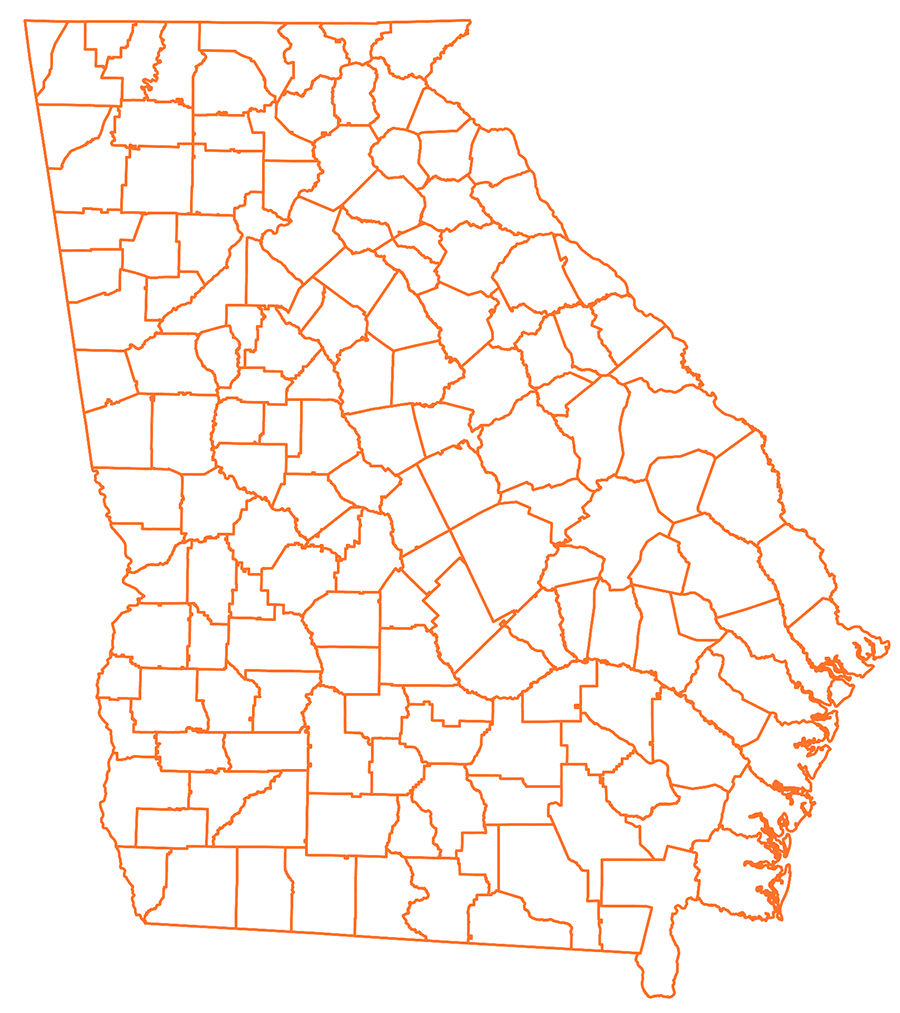
You’ve been caring for your loved one because it’s the right thing to do. FreedomCare can help you navigate Georgia’s CCSP program, understand your options, and take the first step toward care from someone you trust while they get paid for it.
