Consumer-Directed Care that’s making a (measurable) difference
Healthier Patients
Fewer Hospitalizations
Lower Healthcare Costs
*Only 8.63% of FreedomCare consumers over 65 are hospitalized — compared to 43.2% nationwide.
(National Health Statistics Reports, 2015)
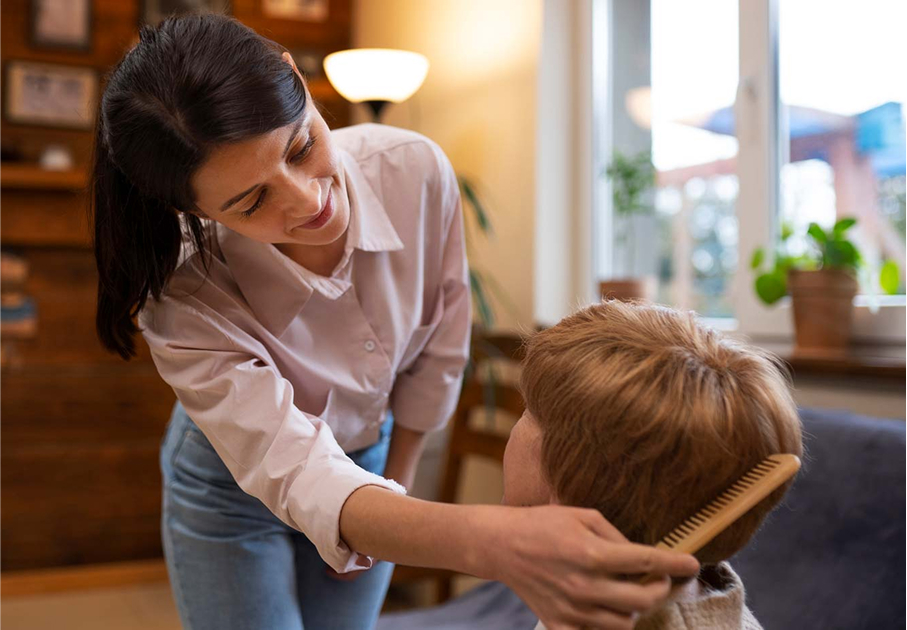
Patients feel better at home. We help them get better care at home.
Consumer-Directed Care is a Medicaid-funded program that allows consumers to hire their own caregivers: a daughter, son, relative, or previously hired aide.
Who we help:
Medicaid and Medicare patients who fall under chronic care management.
Who we help:
Medicaid and Medicare patients who fall under chronic care management.
8.63%
hospitalization rate
(compared to 43.2%* nationally)
2.29%
rehospitalization rate
(compared to 12.9%* nationally)
96.86%
average days in a year
FreedomCare patients spend at home
Our Vision
A world where chronically ill people enjoy a high quality of life — at home
Our goal is to create a future where advanced technology enables almost every sick patient to receive exceptional medical care from the comfort of their own homes.
The data is clear: hospitalizations are inextricably linked to poor health outcomes. And post-COVID, families have discovered this too: their loved ones stay healthiest at home.
We envision a world where vulnerable people don’t have to choose…
between health and happiness
between expertise and warmth
between positive health outcomes…and care from the people who love them most
The FreedomCare Reality
Instant, hospital-grade medical support — 24/7/365
No endless emergency room waits
No generalist doctors or interns
No needless exposure to germs
Due to government regulations, Medicare is NOT enough.
Expert doctors — even if you’re far out
At the touch of a button, FreedomCare patients can meet with a board-certified geriatrician any time, any day on their phone — in 3.5 minutes or less.
No long commutes
No ill-advised delays
No lags or lapses in care
Just instant access to experts
Our model removes all geographical restrictions — changing the lives of rural-area (and less mobile) patients across the country.
Small problems are caught and treated faster…before they become big, costly problems.