
What a home health aide resume actually needs to do
Most home care employers spend well under a minute on a first read. In that time they want to answer three questions: can this person do the physical and personal care tasks, do they have the certification or training the state requires, and is there anything here that suggests they will be unreliable.
That means your resume should be one page, plainly formatted, and specific. Skip the objective statement at the top. Nobody has ever been hired because of one. Use that space for a short summary of what you actually do, or just start with your experience.
Save it as a PDF unless the application specifically asks for a Word file. PDFs keep your formatting intact no matter what device opens them, and a resume that arrives looking scrambled reads as carelessness even when it is not your fault.
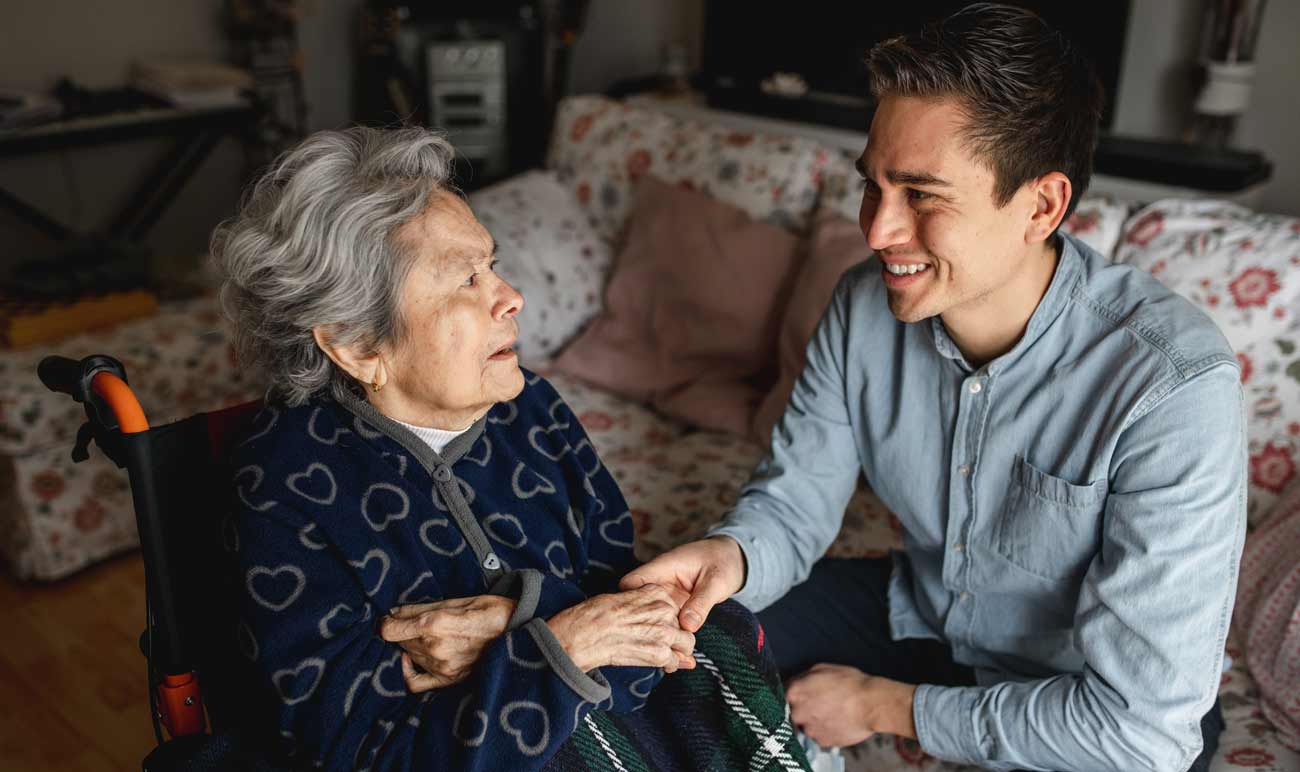
If you have been caring for family and are applying for your first aide job
If you have been caring for a parent, a spouse, or an adult child, you already have the experience. The problem is that it does not look like experience on paper, because nobody gave you a job title and there is no company name to put in the left column.
List it anyway, and list it as work. You can write “Family Caregiver” or “In-Home Caregiver” as the position, put the dates you have been doing it, and use “Private residence” or “Home care, [City, State]” where an employer name would go. This is standard and hiring managers in home care understand it immediately. What they will not understand is a resume with a four-year gap and no explanation.
Then describe what you did the way you would describe any job. If you managed medications, say so. If you handled transfers from bed to wheelchair, that is a skill employers specifically screen for. Bathing, dressing, toileting, meal preparation, wound care under a nurse’s direction, tracking blood sugar, driving to appointments, coordinating with a home health nurse, all of it belongs on the page. These are the exact tasks the job posting is asking about.
Helpful tip
Writing about unpaid family caregiving on your resume is about presenting your experience honestly, and it is standard practice. It is a separate question from whether that same caregiving qualifies to be paid through a Medicaid program. Eligibility rules for paying family caregivers vary by state and by program, and a spouse or parent may be treated differently than an adult child. If that is what you are trying to find out, call us at (866) 506-9284 and we will tell you what applies where you live.
If you are already a certified aide looking for a new position
If you have agency experience, your challenge is the opposite. You have plenty to list, and the risk is that your resume reads like every other aide’s resume: a stack of job titles followed by the same six generic duties.
What separates you is the specifics of who you cared for and what that required. An aide who has worked with dementia clients has a different skill set than one who has worked mainly with post-surgical recovery, and both are valuable to different employers. Say which. Mention if you have handled hospice cases, clients with mobility limitations, clients on ventilators or feeding tubes, or clients who needed two-person transfers.
Length of assignment matters more than people realize. Home care has high turnover, and an aide who stayed with the same client for two years is telling the employer something important without having to say it. If you had long placements, make the dates visible.
If you have gaps, and most aides do, a one-line note is better than silence. “Took time off for family caregiving” or “Relocated to Florida” closes the question before anyone has to wonder about it.
Writing about your experience so it counts
The difference between a resume that gets a call and one that does not is almost always concreteness. Compare these two lines describing the same work:
Provided compassionate care to elderly clients and assisted with daily needs.
Cared for an 82-year-old client with Parkinson’s and moderate dementia. Handled bathing, dressing, and bed-to-chair transfers. Managed a seven-medication daily schedule and flagged changes to the visiting nurse.
The second one tells the reader you have done the job. The first one could have been written by someone who has never set foot in a client’s home.
You do not need to invent numbers to be specific. If you do not know how many clients you have worked with, do not guess. Naming the conditions you have handled, the tasks you performed, and how long you did them is enough.
Certifications, training, and what to list
Put your certification near the top, right under your name and contact information, if you have one. It is the first thing a hiring manager checks and burying it at the bottom makes them hunt.
List the certification name, the state that issued it, and the expiration date if it has one. If you are certified as a home health aide or personal care aide, say which. If you hold a CNA license, list that too, since it often opens more doors. CPR and first aid certifications belong here as well.
If you are not certified yet, that is not a reason to hold off applying. Requirements vary a great deal from state to state, and some positions do not require certification at all while others provide training after you are hired. FreedomCare offers free training in states where certification is required, so the cost is not the obstacle people assume it is. On your resume, you can write “Home health aide certification in progress” with the expected completion date, or simply leave the section off and address it in the application.
Language skills deserve their own line. If you speak Spanish, Russian, Mandarin, Creole, Polish, or any language besides English, that is a genuine advantage in home care, and agencies actively look for it when matching aides to clients.
Mistakes that cost people interviews
The most common one is going long. Two and three-page resumes do not read as more qualified, they read as unedited. Cut anything older than about ten years unless it is directly relevant.
The second is a contact section that does not work. An old phone number, a full voicemail box, or an email address you never check will end your application before anyone reads a word. Check that your voicemail is set up and has room for messages.
The third is being vague about why you left a job, or leaving it blank when there is an obvious gap. You do not owe anyone a detailed explanation, but a short factual line prevents someone from filling in the blank themselves.
And references. Have two or three ready before you apply, even informal ones. If your caregiving has been for family, a visiting nurse, a social worker, a physical therapist, or your family member’s doctor can speak to your work. You do not need to list them on the resume, but you should have the names and numbers written down when the question comes.
After you send it
Following up is not pushy in this field. Agencies are usually short-staffed and applications get lost. A phone call about a week after you apply, asking politely whether they received your resume, is normal and often gets you moved to the top of the pile.
If you are applying to work as an aide through FreedomCare, or you are caring for a family member and want to find out whether you can be paid for it, call us at (866) 506-9284. We will walk you through what your state requires, what training you need, and what the next step looks like.