What does a home health aide do?
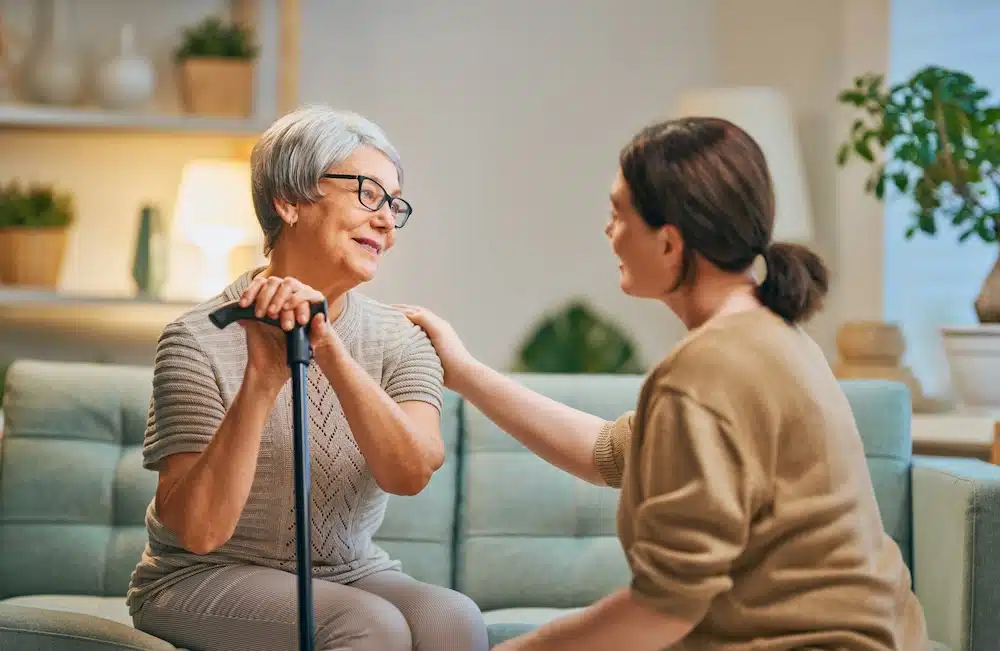
Traditional home health aides assist with the “activities of daily living,” which are defined as mobility, hygiene, and nutrition. The exact tasks vary and will depend on the patient’s particular needs and preferences. CDPAP aides especially focus on individualized care, paying close attention to the patient’s requests. For example, a visually impaired person may ask an aide to arrange items a certain way on the table when dining, while someone with mobility issues may just need the meal to be prepared.
A home health aide is responsible for some or all of the following tasks:
- Cooking is one of the most common things a home health aide is requested to do. Even relatively ambulatory patients may not be able to stand long enough to safely prepare a healthy balanced meal. Depending on preference, the patient may guide a home care aide through a recipe step by step.
- A patient may need assistance eating, which ranges from cutting the food up into manageable pieces to bringing an eating utensil up to the person’s mouth.
- Personal hygiene is another routine duty for home health aides. If necessary, aides will assist with bathing, using the toilet, and changing wound care dressings that don’t require medication.
- A patient may need help with different aspects of dressing, which can range from laying out outfits to physically putting garments on.
- A person who either has impaired mobility or cannot drive may ask an aide to go shopping and perform other errands like banking.
- An aide may assist with walking outside the home. Someone who can otherwise walk with a mobility aide may need additional assistance to navigate the front steps. Even those with the ability to go out may be reluctant to walk alone in case of a fall or other accident.
- A major responsibility of a home health aide is doing household chores. Cleaning and laundry are common tasks.
- An aide can remind a patient of when to take medications or help with pills but only if they’ve already been sorted into a medication box.
What can a CDPAP aide do that an agency aide can’t?
With traditional agency-directed home care, multiple personnel are necessary to carry out routine tasks. This can at times lead to dangerous miscommunications. CDPAP personal assistants streamline home care by taking on additional responsibilities, which include:
- Checking vital signs, such as pulse, temperature, respiratory rate, and blood pressure
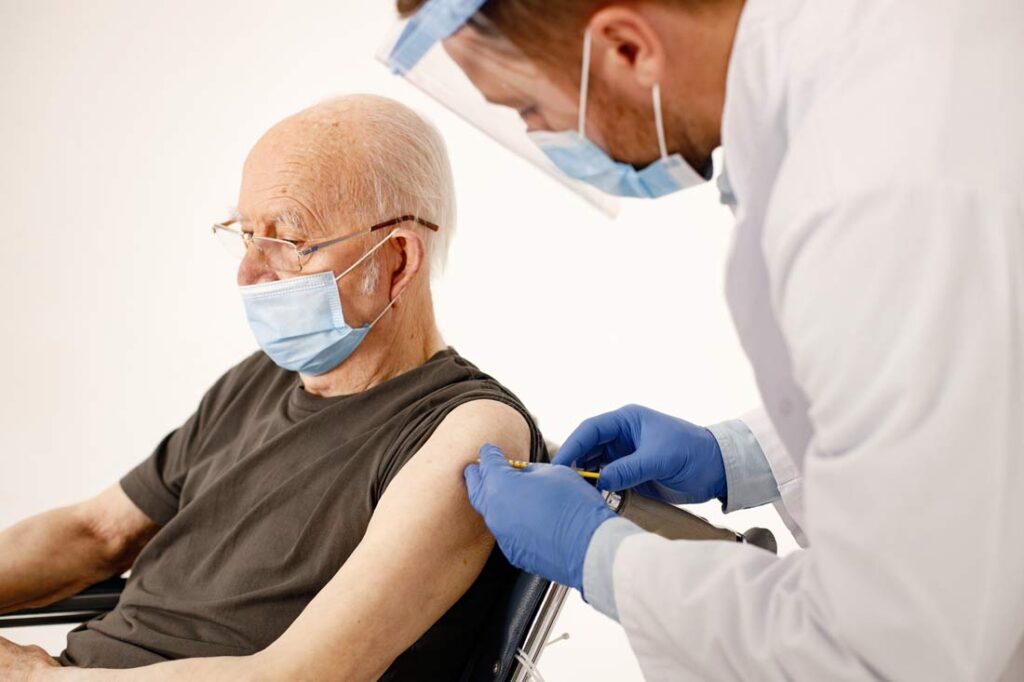
- Administering medications, including insulin, topical treatments, and inhalation therapy
- Setting up and using medical equipment like ventilators and tracheotomy suctioning machines
- Assisting with tube feeding, including changing and irrigating G-tubes
- Sterile wound dressing of injuries that are either infected or at risk of infection
- Monitoring complex modified diets for patients with special dietary needs
Who provides aide training?
An important part of CDPAP places the burden of training on the consumer. While this allows for greater independence and cuts down on regulatory red tape, It can also be confusing if you don’t know where to start. We at FreedomCare make this process easier by working with patients and their designated representatives to design effective training plans. If you or a loved one is considering participating in CDPAP, contact us today for more information.